

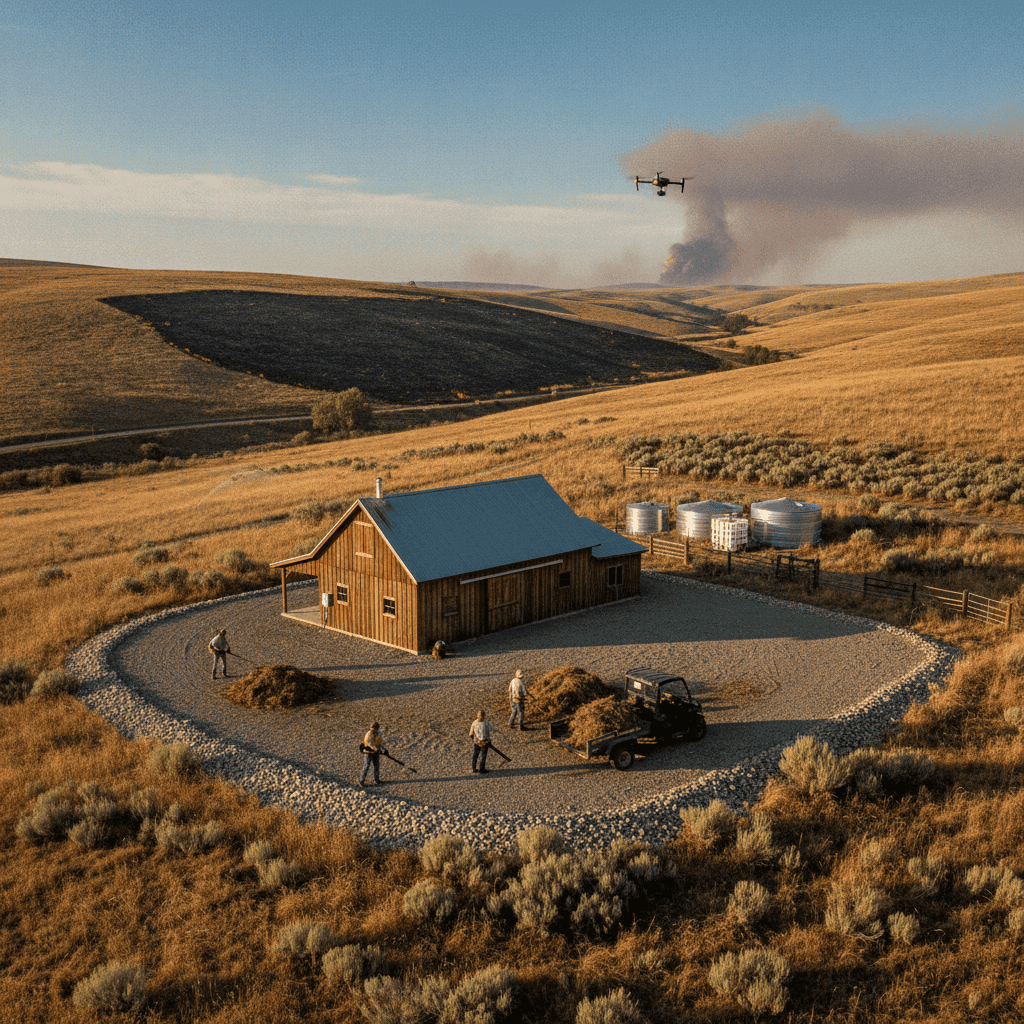
Living in a rural area offers peace and a connection to nature many of us cherish. I know this feeling well because I appreciate the quiet and the open spaces. But with that beauty comes a serious risk, especially from wildfires. These fires can spread quickly and destroy homes, so it is vital to be ready.
I have seen how devastating wildfires can be. Protecting your property against wildfire danger is not just about luck. It involves smart planning and taking practical steps. We believe in using innovation to tackle real-world challenges, and safeguarding rural properties is definitely one of them.
By understanding the risks and applying effective strategies, homeowners can significantly increase their chances of survival. This means acting before a fire even starts. It is about creating a resilient home and landscape.
Understanding the Wildfire Threat to Rural Homes
Wildfires pose a unique and growing threat to rural properties, especially those nestled in the wildland-urban interface. This is where human development meets undeveloped natural land. I have observed firsthand how quickly fire can move through these areas. The primary danger comes from embers. Wind can carry these tiny pieces of burning material for miles ahead of the main fire, igniting homes and surrounding vegetation.
Fires typically start when fuel sources are dry and abundant. This includes dry grasses, brush, trees, and even accumulated debris around a home. When combined with hot weather and strong winds, these conditions create a perfect storm for rapid fire spread. The intense heat of a wildfire can ignite materials from a distance. Radiant heat alone is a powerful force.
Understanding these mechanisms is the first step in effective protection. It helps us identify vulnerable points on our properties. We must recognize that every home in a rural setting is essentially surrounded by potential fuel. The drier the season, the higher the risk.
Common Wildfire Ignition Sources
Knowing how wildfires usually start near homes is important for prevention. Most homes ignite not from direct flames but from airborne embers. These embers can land on roofs, enter vents, or ignite flammable materials close to the house.
Another major factor is direct flame contact from burning vegetation next to a structure. This is why managing landscaping is so critical. Also, heat radiating from a nearby fire can cause materials to ignite even without direct contact. I always think about these three pathways when advising homeowners.
Creating Defensible Space Around Your Property
One of the most effective strategies to safeguard rural property against wildfire danger is establishing a defensible space. This is an area around your home where you reduce or remove flammable materials. I divide this into clear zones, each with specific guidelines. Think of it as creating a buffer that slows or stops fire.
The goal is to deprive the fire of fuel near your home. This makes it safer for firefighters to protect your property if a wildfire approaches. It also reduces the chance of your home igniting from passing flames or embers. This proactive approach really makes a difference.
The Immediate Zone (0-5 feet)
This is the most critical area directly around your home and any attached structures like decks or garages. Within this 0 to 5-foot radius, I recommend removing all flammable materials. This includes dead leaves, pine needles, and any vegetation. You should not have any combustible mulches here. I prefer gravel or concrete in this zone.
Keep this area completely clear. Remove any flammable outdoor furniture or decorations. Ensure there is nothing that can easily catch fire. This zone is your home’s last line of defense, so it needs meticulous attention.
The Intermediate Zone (5-30 feet)
This zone extends from 5 feet to 30 feet from your home. Here, the goal is to create a lean, clean, and green landscape. We want to reduce fuel load significantly but do not need to remove everything. I advise breaking up continuous fuels.
You should thin out trees and shrubs, ensuring there is plenty of space between them. Remove dead branches and lower limbs. Keep grass short and regularly mowed. For plantings, choose fire-resistant species and maintain them well. Avoid dense clusters of vegetation. This zone helps reduce fire intensity and flame length.
Building Materials and Home Hardening for Fire Resistance
Beyond the landscaping, the materials your home is built with also play a crucial role in its resilience against wildfire. I always emphasize that a home itself can be a major fuel source. Hardening your home means using fire-resistant materials and making structural modifications to resist ember ignition and radiant heat.
This approach focuses on the building’s exterior. It is about creating a shell that can withstand the intense conditions of a wildfire. Upgrading materials can be a significant investment, but it offers long-term protection. This is where innovation truly helps safeguard rural property against wildfire danger.
Roofs and Exterior Walls
Your roof is the most vulnerable part of your home to embers. I recommend using fire-resistant roofing materials like Class A asphalt shingles, metal, or tile. Avoid wood shake roofs because they are highly combustible. Keep your roof and gutters free of leaves and pine needles.
For exterior walls, non-combustible materials like fiber cement siding, stucco, or stone are excellent choices. If you have wood siding, consider treating it with fire-retardant chemicals or upgrading to a more resistant material. I have seen many homes survive fires because of these critical material choices.
Windows, Vents, and Decks
Windows can be a weak point, especially if they are single-pane. I suggest multi-pane tempered glass windows because they offer better resistance to heat. Close all windows when a fire is near. Vents are another entry point for embers. Install fine mesh screens on all attic, foundation, and dryer vents to prevent embers from entering your home.
Decks can also become fuel. Use fire-resistant decking materials like composite or metal. Keep the area under your deck clear of any stored items or debris. It is crucial to address these smaller details because embers can exploit any opening or flammable surface.
Leveraging Technology for Wildfire Detection and Mitigation
In our modern world, technology offers powerful new ways to safeguard rural property against wildfire danger. We at Info Cybernetics believe in applying innovative solutions to pressing issues like wildfire protection. From early detection to automated response systems, technology is transforming how we approach fire safety. These smart systems can provide precious extra minutes, which can be the difference between safety and disaster.
Think about sensors that can detect smoke or unusual heat signatures long before a human can. Or imagine systems that can activate protective measures automatically. This is not science fiction anymore. These innovations are becoming more accessible for rural homeowners. They give us a new layer of security.
Smart Monitoring and Early Warning Systems
I have explored the potential of IoT sensors for early wildfire detection. These systems use a network of sensors that monitor temperature, humidity, and smoke particles. When conditions indicate a potential fire, these sensors can transmit data in real-time. This sends alerts to homeowners and emergency services.
Some advanced systems even integrate satellite imagery and drone surveillance. This helps track fire behavior and predict its path. Having this information quickly allows for earlier evacuations and more effective deployment of firefighting resources. It is all about speed and precision.
Automated Suppression and Protection
Innovation also extends to active fire suppression systems for individual properties. I am particularly interested in automated sprinkler systems that can be activated remotely or triggered by local sensors. These systems are designed to wet down a home’s exterior and immediate surroundings when a wildfire threat is imminent.
Such systems can create a temporary zone of moisture. This makes it harder for embers to ignite surfaces. They can run on independent water sources and power backups, providing protection even if utilities are compromised. This kind of automation adds a critical layer of defense, especially for properties in high-risk zones, and you can explore this topic further for more details.
Developing an Emergency Preparedness Plan
Even with the best mitigation efforts and smart technology, a wildfire can still threaten your rural property. That is why having a robust emergency preparedness plan is absolutely essential. I always tell people that preparation is not just about what you do to your property. It is also about what you do for your family and yourself. It is a comprehensive strategy for personal and property safety.
A well-thought-out plan ensures everyone knows what to do if a wildfire approaches. It reduces panic and improves the chances of a safe evacuation. This plan should be practiced regularly, so it becomes second nature during an actual emergency. Do not wait until the smoke is on the horizon.
Essential Evacuation Steps
Your evacuation plan should include clearly designated routes away from your property. Identify at least two different escape routes. This ensures you have options if one becomes blocked. Everyone in the household should know these routes and where to meet once evacuated. I advise having a designated out-of-area contact person. This way, everyone can check in safely.
Prepare an emergency kit with important documents, medications, first aid supplies, food, and water. This kit should be easily accessible. Practice your evacuation plan with your family. This helps ensure a smooth and quick departure. Remember, early evacuation is always the safest option when instructed.
Ongoing Maintenance and Community Engagement
Safeguarding rural property against wildfire danger is not a one-time task. It requires continuous effort and commitment. I view fire safety as an ongoing process. You must consistently maintain your defensible space and regularly check your home’s fire-resistant features. Conditions change throughout the year, so your vigilance should too.
Beyond individual efforts, community engagement is a powerful tool. When neighbors work together, the entire community becomes more resilient. Shared knowledge and collective action amplify the impact of individual efforts. This collaborative spirit strengthens everyone’s protection.
Regular Property Inspections and Upkeep
I recommend performing seasonal inspections of your property. Check for dry vegetation, fallen leaves, and debris in your defensible space. Clear gutters and roofs regularly. Inspect screens on vents for damage. Look for any new vulnerabilities that may have appeared since your last check. Trees grow, and branches can extend too close to structures. So stay on top of that.
Small maintenance tasks can prevent bigger problems. It is much easier to remove a few dry bushes than to battle an encroaching fire. This routine upkeep reinforces your property’s defenses. It keeps your home ready for fire season.
Joining Community Wildfire Protection Programs
Many rural areas have community wildfire protection programs or Firewise USA initiatives. I strongly encourage participation in these groups. They provide valuable resources, educational materials, and a framework for community-wide fire safety. Working with neighbors to clear common areas or share resources makes everyone safer.
These programs often offer chipping services or guidance on creating neighborhood-level defensible spaces. Engaging with these initiatives fosters a collective responsibility toward wildfire prevention. It builds a stronger, more prepared community ready to face wildfire threats together.
Conclusion: Proactive Steps for Enduring Safety
Protecting rural property against wildfire danger is a serious responsibility. It demands thoughtful planning and consistent action. I have outlined various strategies. These range from creating defensible spaces and hardening your home to integrating cutting-edge technology and developing strong emergency plans. Each step contributes significantly to your safety and the longevity of your property. We are passionate about bringing innovative solutions to everyday challenges, and wildfire preparedness fits perfectly within this mission. By understanding the nature of wildfire threats and proactively implementing these measures, rural homeowners can dramatically reduce their risk.
Remember, wildfires are a natural part of many ecosystems, but their impact on human lives and property does not have to be catastrophic. Your commitment to fire safety directly influences the outcome. I urge every rural homeowner to take these recommendations seriously. Start today by assessing your property. Make a plan. Take action. Work with your neighbors and community to build a resilient environment. This collective effort is the most powerful defense we have. Let us safeguard our homes and futures against the growing threat of wildfires together.


