

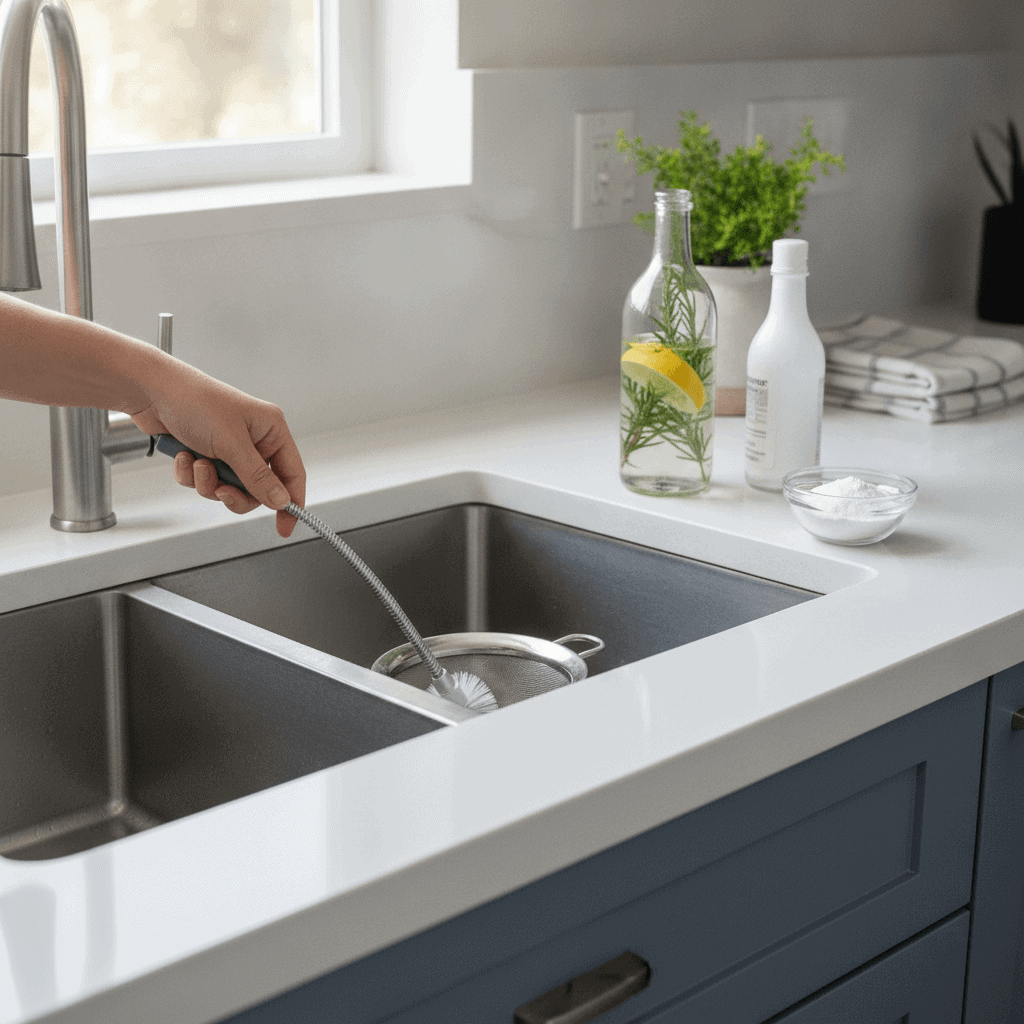
A functional kitchen sink is something many of us take for granted. We use it constantly for washing dishes, rinsing produce, and cleaning up messes. But beneath the surface, your kitchen sink drain works hard to whisk away water and debris. When that system gets clogged, it can quickly disrupt your entire kitchen routine.
I have seen firsthand how easily a small issue can escalate into a major headache if not addressed promptly. Over time, grease, food particles, and other substances accumulate inside the pipes. This buildup narrows the passageway and eventually leads to slow drainage or even a complete blockage.
The good news is that most kitchen sink drain problems are entirely preventable with a little proactive care. By adopting some simple maintenance habits, you can keep your drains running smoothly and avoid the frustration and expense of professional plumbing calls. Let us explore the best ways to maintain your kitchen sink drains.
Understanding Your Kitchen Sink Drain System
Before we dive into maintenance, it helps to understand what is going on below your sink. Your kitchen drain is more than just a hole in the basin. It is a carefully designed system intended to carry wastewater away efficiently. Knowing the basic components can help you diagnose problems and perform effective upkeep.
The drain begins with the strainer and stopper in the sink basin. This leads down into the drain assembly. The P-trap is a curved section of pipe that holds a small amount of water. This water barrier prevents sewer gases from entering your home. After the P-trap, the pipe connects to the main wastewater line of your house.
Each part plays a crucial role in preventing clogs and maintaining sanitation. Understanding this structure helps us see why certain materials cause more problems than others. It also shows us where to focus our cleaning efforts.
The Anatomy of Your Drain
When I think about drain systems, I always picture the network of pipes hidden behind walls and under cabinets. The kitchen sink drain starts with the basket strainer. This component catches larger food scraps before they enter the pipes. It is an important first line of defense against blockages.
Below the strainer, you will find the tailpiece. This straight pipe leads into the P-trap. The P-trap is shaped like a “P” turned on its side. Its job is to trap water which creates a seal against sewer gases. This water also catches heavy debris that might otherwise travel further into your plumbing system. From the P-trap, the pipe connects to a branch drain line that eventually merges with your home’s main waste stack. Keeping these components clear is essential for proper function.
Common Culprits Behind Clogs
Most kitchen sink clogs come from a few usual suspects. Grease and oil are major offenders. They start as liquid but cool and solidify inside pipes, sticking to the walls and catching other debris. Food particles are another big problem. Even small pieces of rice, pasta, or vegetable scraps can accumulate.
Coffee grounds and eggshells often get blamed. Some people believe they can sharpen garbage disposal blades, but this is a myth. Instead, they act like concrete inside your pipes, creating stubborn blockages. Fibrous foods like celery or banana peels can also wrap around disposal blades and create issues. I always advise my clients to be mindful of what goes down the drain because prevention is much easier than repair.
Daily Habits for a Clear Drain
The best way to maintain clear kitchen sink drains is through consistent daily habits. These small actions make a big difference over time. They help prevent the gradual buildup that leads to slow drainage and frustrating clogs. Incorporating these into your routine is simple and requires minimal effort.
I find that a mindful approach to what goes down the drain is the most effective strategy. This means being aware of the types of food and liquids we dispose of through the sink. It is about treating your drain less like a trash can and more like a carefully designed waste channel. By establishing these good habits, you are setting your plumbing up for success.
Scrape Plates, Don’t Rinse Fats
One of the easiest and most effective things you can do is to scrape food scraps directly into the trash or compost bin before washing dishes. This includes all types of food. Grease, oils, and fats should never go down the drain. These liquids solidify as they cool in your pipes, creating sticky obstructions that grab onto other debris.
Instead, pour used cooking oil into an old container, like a jar or coffee can. Let it cool and solidify, then throw it in the trash. This simple habit alone can significantly reduce the risk of clogs. I always tell people that scraping plates takes only a few seconds but saves hours of potential plumbing trouble.
Use Your Garbage Disposal Wisely
If you have a garbage disposal, it is a convenient tool. But it is not meant for everything. Use cold water when running your disposal. This helps solidify grease so it can be broken down more easily. Always run the water for a few seconds before and after using the disposal to flush everything through.
Avoid putting large amounts of food down the disposal at once. Feed it slowly. Never put fibrous items like celery stalks, corn husks, or artichokes into the disposal. They can tangle around the blades. Hard items like fruit pits or bones are also off-limits. They can damage the disposal motor and blades. Use your disposal as a helper, not as a primary waste bin.
Weekly and Monthly Maintenance Tasks
Beyond daily habits, regular deeper cleaning is important for maintaining kitchen sink drains. These tasks help flush out any minor buildups and keep the pipes smelling fresh. They are not time-consuming but they provide significant benefits for your plumbing health.
I usually recommend scheduling these tasks for a specific day each week or month. This helps ensure they do not get overlooked. A consistent schedule makes these preventative steps feel less like chores and more like routine home care. Just like cleaning other parts of your kitchen, drain maintenance is a necessary part of keeping things running smoothly.
The Hot Water and Dish Soap Flush
A simple weekly flush can do wonders. After doing your dishes, pour a kettle of boiling water down the drain. For extra cleaning power, follow it with a cup of liquid dish soap. Let that sit for about ten minutes. Then flush again with another kettle of hot water.
The hot water helps melt any grease that may be clinging to the pipe walls. The dish soap acts as a degreaser. It helps break down greasy residue. This combination is effective at keeping minor buildups from becoming major problems. I find this quick trick to be a fantastic way to maintain flow without harsh chemicals.
Baking Soda and Vinegar Treatment
Once a month, I suggest a natural drain cleaner using baking soda and vinegar. First, pour a cup of baking soda down the drain. Follow this with a cup of white vinegar. You will see a fizzing reaction. This reaction helps dislodge grime and deodorize the pipes.
Let the mixture sit for about 15 to 30 minutes. Some people even let it sit overnight. After the waiting period, flush the drain thoroughly with hot water. This method is safe for your pipes. It is also an environmentally friendly alternative to chemical drain cleaners. Chemical cleaners can sometimes corrode pipes and harm the environment.
Tackling Minor Clogs Yourself
Even with the best preventative measures, a minor clog might still happen occasionally. When it does, there are a few DIY methods you can try before calling a professional. These approaches are effective for many common clogs and can save you time and money.
I always encourage homeowners to feel confident in attempting these simple fixes. You do not need specialized skills. You just need the right tools and a little patience. Most kitchen sink clogs are close to the surface and relatively easy to reach. By knowing these techniques, you can quickly restore your drain’s function.
Plunger Power
A trusty plunger is often all you need for a small clog. First, remove the sink strainer and fill the sink with a few inches of hot water. Make sure there is enough water to cover the plunger cup. Position the plunger firmly over the drain. Create a tight seal.
Pump the plunger vigorously up and down for about 20 to 30 seconds. Then quickly pull it up. Repeat this process a few times if necessary. The suction and pressure can dislodge many common obstructions. If you have a double sink, plug the second drain opening with a wet rag to ensure maximum suction on the clogged side.
The P-Trap Cleanout
If plunging does not work, the clog is probably in the P-trap. You can usually clean this yourself. Place a bucket underneath the P-trap to catch any water and debris. Use a wrench to loosen the slip nuts on both sides of the P-trap. Carefully remove the trap.
Empty its contents into the bucket. Clean the inside of the P-trap with a bottle brush or coat hanger. Remove all gunk and buildup. Then reattach the P-trap. Hand-tighten the nuts, then give them a quarter turn with the wrench. Run water slowly at first to check for leaks. This method is often very effective for stubborn clogs.
When to Call a Professional for Drain Issues
While many drain issues are manageable with DIY methods, there are times when professional help is essential. Knowing when to call in an expert can prevent further damage to your plumbing system and ensure the problem is resolved correctly. I always advise against forcing solutions that feel beyond your comfort level or expertise.
Signs that you need a professional plumber include recurring clogs. If your sink keeps backing up despite your best efforts, it often points to a deeper issue in your main sewer line. Another indicator is if multiple drains in your home are slow or clogged simultaneously. This suggests a systemic problem rather than an isolated sink issue. Foul odors emanating persistently from drains could also signal a problem with your ventilation or sewer system. If you hear gurgling sounds from other drains when you use the kitchen sink, it indicates air pressure issues within your pipes. These are not typically quick fixes.
Persistent leaks around the P-trap or other pipe connections after you have tried to tighten them yourself also warrant a professional eye. Sometimes, the problem is not a clog but rather a damaged pipe or a worn-out seal. A plumber has the specialized tools, like drain snakes and video inspection cameras, to accurately diagnose the root cause of these more complex problems. They can also perform tasks such as hydro-jetting to thoroughly clean pipes. Before you make that call, it is always a good idea to know the questions worth asking before you hire a professional. This ensures you get a qualified and reliable service provider for your home.
Investing in Long-Term Drain Health
Maintaining kitchen sink drains is not just about fixing problems when they arise. It is also about setting up your plumbing for long-term health. Investing in the right tools and preventative measures can save you a lot of trouble down the road. This forward-thinking approach aligns with making smart choices for your home’s infrastructure.
One simple investment is a good quality drain strainer. While most sinks come with a basic one, upgrading to a fine-mesh strainer can catch even smaller particles that might otherwise slip through. These strainers are inexpensive and remarkably effective at preventing food waste from entering your pipes. I consider them an essential item for any kitchen.
Another smart practice is to occasionally flush your drains with hot water after using the sink, especially after preparing greasy foods. This helps keep any residual grease in a liquid state, allowing it to move through your pipes more easily instead of accumulating. This minor habit, combined with monthly treatments, creates a powerful defense against blockages.
Consider the use of enzyme-based drain cleaners for ongoing maintenance. Unlike harsh chemical cleaners, enzyme cleaners use beneficial bacteria to break down organic matter in your pipes naturally. They work slowly but are safe for your plumbing and the environment. I recommend using them periodically to maintain a healthy drain ecosystem.
Proactive Drain Care for a Trouble-Free Kitchen
Taking care of your kitchen sink drains is a simple yet crucial aspect of home maintenance. From adopting smart daily habits like scraping plates and using your garbage disposal properly, to performing regular weekly and monthly cleaning routines, every step contributes to a healthier plumbing system. I have found that a little consistent effort goes a long way in preventing the common headaches of clogs and slow drains. Remember that cooking oils and food particles are the primary culprits. They can quickly turn a clear pipe into a blocked mess if not managed thoughtfully. By understanding the basics of your drain’s anatomy and applying easy DIY fixes, you can handle most minor issues yourself with confidence. Always know when to call in a professional. More complex or recurring problems signal a need for expert intervention. Prioritizing preventative care for your kitchen sink drains will ensure smooth operation and a more enjoyable kitchen experience for years to come.


